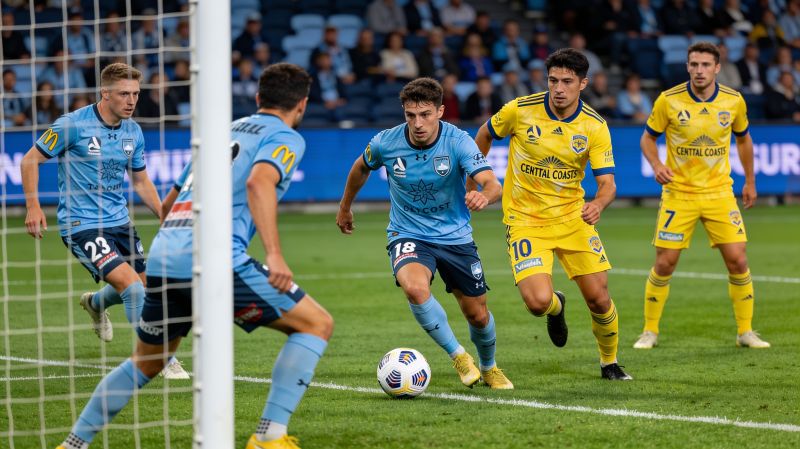
weden's national football team, known as Blågult, has never been a traditional powerhouse, yet its influence on the European game is far from negligible. The Swedish football team’s 1958 World Cup run on home soil—a 5-2 defeat to Brazil in the final—remains a defining moment, but the modern era tells a more complex story. Watching Sweden grind out a 1-0 win over Spain in the 2022 World Cup qualifiers, I was struck by their defensive discipline. It wasn’t pretty. But it worked. That match exemplified a pragmatic identity: organized, physically robust。and ruthlessly efficient on the counter. The Swedish football team has learned to maximize limited resources, turning collective shape into a weapon against technically superior opponents.Player development has shifted dramatically. The days of relying solely on Zlatan Ibrahimović’s individual brilliance are fading—though his shadow still looms large. Take Alexander Isak’s rise at Real Sociedad and Newcastle: a product of AIK’s academy, he embodies a new wave of Swedish talent that blends technical finesse with the traditional work ethic. Dejan Kulusevski’s creativity at Tottenham offers another dimension. Yet depth remains a concern. Beyond the starting eleven, the drop-off is steep. In a 2023 friendly against Portugal。
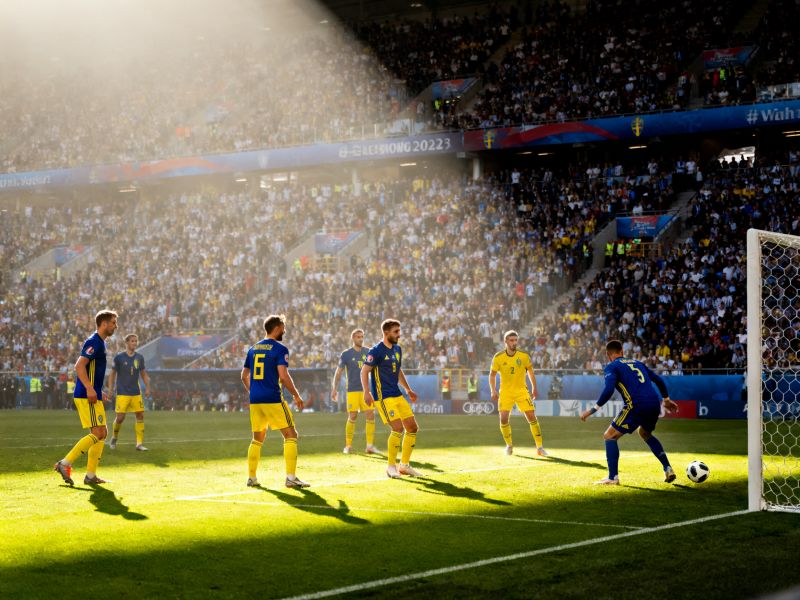
Sweden’s bench struggled to maintain intensity, conceding late. That fragility explains why qualifying for major tournaments often feels like a tightrope walk.Tactically, the Swedish football team has oscillated between cautious and progressive. Janne Andersson’s 4-4-2, which carried Sweden to the 2018 World Cup quarter-finals, prioritized compactness and set pieces. His successor, Jon Dahl Tomasson, arrived with a mandate to modernize. Early results were mixed—a 2-1 loss to Denmark exposed gaps in transition. Tomasson’s insistence on high pressing sometimes leaves the backline exposed, a risk that worked against lesser sides but backfired against top-tier opposition. The Allsvenskan’s increasing tactical diversity, with clubs like Malmö FF experimenting with back-three systems, may eventually feed a more flexible national approach. For now, the Swedish football team remains a work in progress。caught between old certainties and new ambitions.What sets Sweden apart is the cultural ethos underpinning the squad. Players speak of ‘laget före jaget’—the team before the self—with genuine conviction, not cliché. During a 2021 interview, midfielder Albin Ekdal described training sessions where veterans openly critique tactics。a level of intellectual engagement rare in many national setups. This collective mindset explains how Sweden repeatedly punches above its weight. Facilities at the elite level are excellent, and the youth scouting network is thorough, but the population base is small. Producing two world-class forwards in a decade is an achievement, not a guarantee. The Swedish football team’s future hinges on sustaining that pipeline while adapting to the global demand for athletic, multi-functional players.
The road ahead offers clear tests. Euro 2024 qualifiers against Belgium and Austria will reveal whether Tomasson’s ideas have taken root or if Sweden reverts to its conservative shell. My own observation from watching the under-21 side: there’s promise in midfielders like Yasin Ayari。but physical readiness varies wildly. The Swedish football team doesn’t need to mimic France or Spain. Its strength lies in a distinct identity—resilient, intelligent, and quietly proud. Should that identity evolve without losing its core, Sweden can remain a side no opponent relishes facing. The challenge is balancing heritage with necessary change, and doing so without the luxury of endless tournament cycles to experiment.